 By pauline
In today’s fast-paced world, many individuals experience stress as a regular part of their lives. From work deadlines to personal commitments, the pressures can accumulate, impacting both mental and physical health. Understanding how to effectively manage these daily stressors is not about eliminating challenges, but rather about developing resilient coping mechanisms. Simple, consistent daily practices can significantly contribute to a calmer, more balanced existence, offering tangible benefits for long-term well-being.
Overview
- Stress reduction is achievable through consistent, easy-to-implement daily habits.
- Mindfulness practices, such as deep breathing and short meditations, help ground you in the present moment.
- Regular physical activity, even light movement, plays a crucial role in releasing tension and improving mood.
- Prioritizing adequate sleep and fostering meaningful social connections are fundamental to emotional resilience.
- Effective time management and healthy eating habits contribute to a sense of control and sustained energy.
- Cultivating gratitude and setting clear boundaries can protect mental space from overwhelm.
Incorporating Mindfulness for Stress Reduction
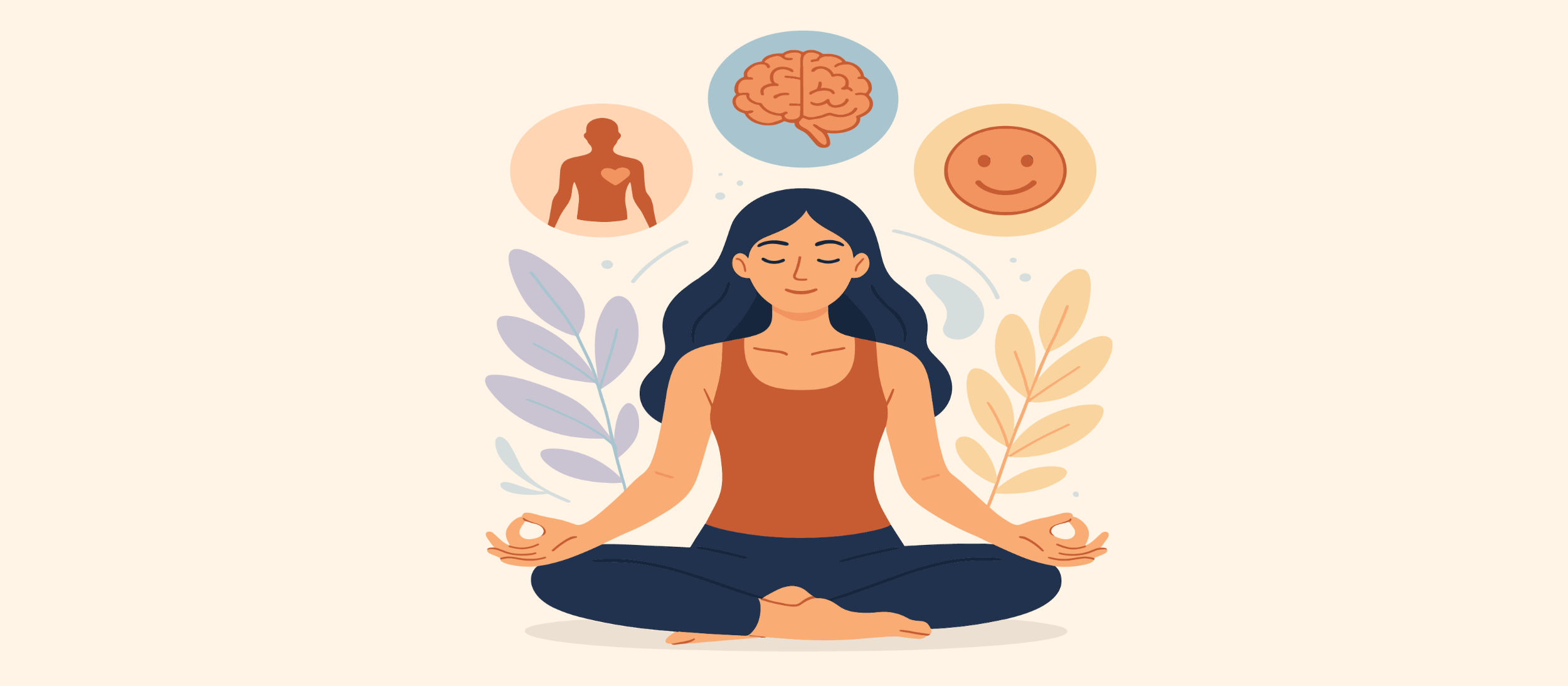
Mindfulness involves being present and fully engaged in the current moment, without judgment. This practice is highly effective for stress reduction because it shifts attention away from anxious thoughts about the past or future. Even a few minutes each day can make a substantial difference. Start with simple deep breathing exercises: inhale slowly through your nose for four counts, hold for seven, then exhale slowly through your mouth for eight. Repeat this several times. This technique calms the nervous system almost immediately.
Another accessible practice is mindful observation. Choose a routine activity, like drinking a cup of tea or walking to your car, and focus entirely on the sensations involved. Notice the warmth of the cup, the aroma of the tea, or the feeling of your feet on the ground. When your mind wanders, gently guide it back to the present moment. These brief mental breaks throughout your day serve as mini-resets, preventing stress from building up unchecked. For many in the US, busy schedules often mean we rush through tasks without truly experiencing them, making mindfulness a powerful counter-strategy.
Physical Activity and Movement for Stress Reduction
Regular physical activity is a powerful tool for stress reduction. When you exercise, your body releases endorphins, which have mood-boosting effects. It also helps burn off stress hormones like cortisol and adrenaline. The good news is that you don’t need an intense gym routine to reap these benefits. Simple daily movement can be incredibly effective. Consider taking a brisk 15-minute walk during your lunch break, or incorporating a short stretching routine into your morning.
Even small bursts of activity, like walking up and down stairs a few times or doing some light yoga poses, contribute positively to your well-being. If you work at a desk, set a timer to stand up and stretch every hour. These micro-movements break the sedentary cycle, improve circulation, and give your mind a needed pause from mental tasks. Consistency is more impactful than intensity when it comes to using physical activity as a daily strategy for stress management.
Cultivating Rest and Connection for Stress Reduction
Adequate rest and meaningful social connections are often overlooked but crucial components of stress reduction. Sleep deprivation exacerbates stress, making it harder to cope with daily demands. Aim for 7-9 hours of quality sleep each night. Establishing a consistent sleep schedule, even on weekends, helps regulate your body’s natural rhythms. Create a calming bedtime routine: dim the lights, avoid screens for an hour before bed, or read a book.
Human connection also plays a vital role. Spending time with friends, family, or even pets can provide emotional support and a sense of belonging, which are protective factors against stress. Make an effort to connect with loved ones regularly, whether through a quick phone call, a shared meal, or a brief visit. Conversely, learning to set healthy boundaries in relationships and commitments is equally important. Saying “no” when you’re already overwhelmed protects your time and energy, directly contributing to personal stress reduction.
Practical Daily Habits for Stress Reduction
Beyond mindfulness, movement, and rest, several other daily habits can significantly aid in stress reduction. Effective time management is one such habit. Instead of letting tasks pile up, try prioritizing your to-do list each morning. Focus on completing 2-3 important tasks, and be realistic about what you can achieve. Breaking larger projects into smaller, manageable steps can also make them feel less daunting. This approach reduces the feeling of being overwhelmed and fosters a sense of accomplishment.
Additionally, paying attention to your diet contributes to your overall resilience against stress. A balanced diet rich in whole foods, fruits, vegetables, and lean proteins provides steady energy and supports brain health. Limiting processed foods, excessive sugar, and caffeine can prevent energy crashes and mood swings that often intensify feelings of stress. Finally, practicing gratitude by noting a few things you’re thankful for each day can shift your perspective towards positivity, making daily challenges feel more manageable and significantly contributing to your ongoing efforts towards stress reduction.